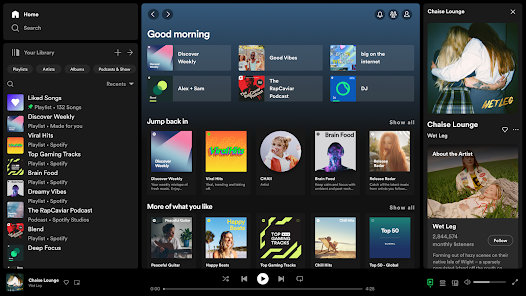
Spotify’s Discovery Mode promises artists more exposure—but at a price. The controversial program offers algorithmic boosts in exchange for a 30% royalty cut, sparking debates over fairness, transparency, and the future of music streaming. Is this the democratization of music, or just digital payola?
The Catch Behind Discovery Mode
Launched quietly in 2020, Discovery Mode lets artists and labels push their tracks into Spotify’s recommendation algorithms. The trade-off? A 30% reduction in royalties for streams generated through the program. There’s no upfront fee, which Spotify framed as an opportunity for independent musicians. But many argue it forces artists into an unfair system: opt in and take a pay cut, or opt out and risk getting buried by those willing to sacrifice their earnings for visibility.
Adding to the controversy, there’s zero public disclosure on which songs are promoted this way. This lack of transparency has drawn comparisons to the payola scandals of the 1950s, when radio DJs were secretly paid to play certain songs—a practice later outlawed for misleading the public and distorting musical popularity.
A Win for Spotify, A Loss for Artists?
By 2023, Discovery Mode was raking in cash. Internal reports revealed that over 50% of artists earning between $50,000 and $500,000 a year had opted in, generating €61.4 million (£51m) in profits—mostly from independent and DIY musicians. This came as Spotify introduced new “artist-centric” policies that demonetized tracks with fewer than 1,000 annual streams, making Discovery Mode feel less like an option and more like a necessity.
For indie labels, the pressure was immense. One label manager described it as a zero-sum game—if competitors used Discovery Mode and they didn’t, their artists lost exposure. Even those who joined felt uneasy, knowing that listeners weren’t being told which songs were promoted.
Pay-to-Play: The New Normal?
Spotify’s paid promotion experiments don’t stop at Discovery Mode. Since 2019, the platform has rolled out:
• Marquee ads – Pop-ups that push new releases to listeners.
• Showcase placements – Paid spots on the Spotify homepage.
• Campaign Kit – A bundle that combines Discovery Mode, ads, and playlist pitches.
The message is clear: simply making great music isn’t enough anymore—artists have to pay to be heard.
Backlash & Ethical Concerns
Music advocacy groups like the Artist Rights Alliance have slammed Discovery Mode as a “money grab”, warning that independent musicians are the biggest losers. The U.S. House Judiciary Committee even sent a letter to Spotify’s CEO, cautioning that the program could trigger a “race to the bottom,” where artists feel forced to accept lower pay just to stay visible.
Even some Spotify employees have questioned the program’s ethics. Leaked messages from an internal Slack channel called “ethics-club” revealed concerns that Discovery Mode unfairly advantages those who can afford it, leaving smaller artists with fewer opportunities.
Spotify Responds
Spotify has denied all accusations of digital payola, arguing that Discovery Mode simply enhances existing recommendation algorithms. They insist the program isn’t anti-competitive, but refused to confirm whether the €61.4m profit figures were accurate.
Still, critics argue that the power imbalance is clear. Unlike old-school payola, which operated in secret, digital payola happens in plain sight, but regulators have been slow to act. With Spotify dominating music streaming, artists have little choice but to play by their rules.
The Future of Music: Who Really Wins?
The Discovery Mode debate isn’t just about